Tuesday, January 16, 2024

Stepping Into Comfort: Effective Physiotherapy Approaches for Heel Pain at MRC

At MRC, where excellence in physiotherapy meets compassionate care, we take pride in being the foremost Physiotherapy Clinic in Kolkata. Heel pain can be a persistent and debilitating issue, affecting various aspects of daily life. In this exploration, we unveil MRC's effective physiotherapy approaches dedicated to alleviating heel pain and restoring comfort.

Understanding the Common Causes of Heel Pain

Overview of common conditions leading to heel pain:

Heel pain can stem from various conditions, including plantar fasciitis, Achilles tendinitis, and heel spurs. MRC sheds light on these common culprits, providing insights into their impact on foot biomechanics.

Insight into how these conditions affect the foot's biomechanics:

Delving deeper, we explore how conditions like plantar fasciitis disrupt the foot's natural biomechanics, leading to discomfort and pain. Understanding these mechanisms is crucial for tailoring effective physiotherapy interventions.

Emphasizing the importance of accurate diagnosis:

Accurate diagnosis is the cornerstone of effective treatment. MRC emphasizes the significance of precise diagnosis in unraveling the root cause of heel pain and guiding targeted physiotherapy solutions.

MRC's Holistic Assessment and Diagnosis Process

Introduction to MRC's approach to heel pain assessment:

MRC adopts a holistic approach to heel pain assessment, going beyond surface symptoms. Our dedicated physiotherapists delve into the intricacies of each case, ensuring a comprehensive understanding.

Comprehensive examination of biomechanics, gait, and lifestyle factors:

A detailed examination includes an assessment of biomechanics, gait analysis, and consideration of lifestyle factors contributing to heel pain. MRC leaves no stone unturned in uncovering the nuances of each individual case.

Collaboration with patients:

Collaboration is key to effective treatment. MRC engages in open communication with patients, understanding their unique needs, concerns, and goals. This collaborative approach forms the foundation for personalized physiotherapy plans.

Patient Education and Self-Care Practices

Guidance on proper footwear selection and modifications:

MRC provides practical advice on selecting appropriate footwear and making necessary modifications. Proper footwear is a crucial element in preventing and managing heel pain.

Home exercises and stretches:

Empowering patients beyond clinic walls, MRC offers home exercises and stretches to complement in-clinic physiotherapy sessions. Consistent engagement in these practices enhances the effectiveness of the overall treatment plan.

Lifestyle modifications:

Preventing recurrent heel pain involves lifestyle adjustments. MRC guides individuals on adopting healthy habits and modifications that contribute to long-term relief and foot health.

MRC's Commitment to Patient-Centric Care

Emphasis on MRC's personalized and patient-centric approach:

MRC's commitment to personalized care is unwavering. Each patient is unique, and our physiotherapists tailor interventions to individual needs, ensuring a customized and effective healing journey.

Dedicated physiotherapists and support staff:

The heart of MRC lies in its dedicated physiotherapists and support staff. Their expertise, coupled with compassion, fosters a supportive environment where patients feel heard, understood, and cared for.

Continuous monitoring and adjustment of treatment plans:

MRC's commitment extends beyond initial assessments. We continuously monitor progress and adjust treatment plans based on individual responses, ensuring optimal and adaptive care.

Conclusion:

In conclusion, at MRC - The Best Physiotherapy Clinic in Kolkata, our mission is your comfort. By understanding the common causes of heel pain, employing a holistic assessment process, emphasizing patient education, and embodying a patient-centric approach, we pave the way for effective heel pain management. Step into comfort with MRC's dedicated physiotherapy interventions.


Wednesday, December 27, 2023

A Step at a Time: Navigating the Challenges of Stroke Rehabilitation through Physiotherapy

In the bustling city of Kolkata, MRC stands as a beacon of hope for those navigating the challenges of stroke rehabilitation. As we delve into the intricate journey of overcoming the aftermath of a stroke, MRC - The Best Physiotherapy Clinic in Kolkata takes the lead, offering compassionate care and innovative strategies to individuals on the path to recovery.

Understanding the Unique Challenges of Stroke Rehabilitation

The diverse physical and cognitive challenges post-stroke survivors encounter:

MRC begins by exploring the myriad challenges that post-stroke survivors face, from motor impairments to cognitive deficits. Understanding this diverse range of challenges is crucial for tailoring effective physiotherapy interventions.

The emotional and psychological impact on individuals and their families:

Beyond the physical hurdles, MRC sheds light on the emotional toll strokes take on individuals and their families. It delves into the psychological challenges, emphasizing the need for a holistic approach to rehabilitation that addresses both the mind and body.

The importance of a comprehensive and tailored rehabilitation plan:

MRC underscores the significance of a comprehensive and personalized rehabilitation plan. By tailoring physiotherapy interventions to the specific needs of each individual, MRC aims to maximize the effectiveness of the rehabilitation process.

Tailoring Rehabilitation Plans: A Personalized Approach

Assessing the individual needs and abilities of stroke survivors:

MRC's approach involves a meticulous assessment of the unique needs and abilities of each stroke survivor. This detailed evaluation forms the basis for crafting a personalized physiotherapy plan that targets specific challenges faced by the individual.

Crafting personalized physiotherapy plans focusing on specific challenges:

This section delves into the intricacies of crafting physiotherapy plans tailored to address specific challenges. MRC's expertise comes to the forefront as it discusses adaptive techniques and exercises designed to address the unique impairments presented by each stroke survivor.

Adaptive techniques and exercises designed to address unique impairments:

MRC introduces readers to the adaptive techniques and exercises employed in their physiotherapy plans. These interventions aim to address unique impairments, fostering a sense of empowerment and progress for individuals on their rehabilitation journey.

Emotional and Psychological Support: The Therapeutic Role of Physiotherapy

Recognizing and addressing emotional challenges post-stroke:

MRC acknowledges the emotional challenges post-stroke and emphasizes the role of physiotherapy in recognizing and addressing these challenges. The clinic adopts a holistic approach, integrating emotional support into the rehabilitation process.

Incorporating therapeutic techniques to boost mental well-being:

This section explores the incorporation of therapeutic techniques aimed at boosting mental well-being. From mindfulness exercises to tailored activities, MRC utilizes physiotherapy as a therapeutic tool for enhancing mental resilience.

Building a supportive environment within the physiotherapy setting for holistic recovery:

MRC creates a supportive environment within its physiotherapy setting, fostering holistic recovery. This includes not only physical exercises but also a compassionate atmosphere that recognizes the importance of emotional well-being in the rehabilitation process.

Conclusion:

In conclusion, MRC - The Best Physiotherapy Clinic in Kolkata, extends its commitment to those navigating the challenges of stroke rehabilitation. By addressing the diverse challenges, tailoring rehabilitation plans, and providing emotional support, MRC stands as a partner in the journey toward recovery, one step at a time.


Tuesday, November 14, 2023

Unlocking Mobility: Effective Rehabilitation Strategies for Post-Surgical Stiffness

In the vibrant city of Kolkata, MRC stands as a beacon of hope for those navigating post-surgical stiffness. As the best physiotherapy clinic in Kolkata, MRC has been at the forefront of innovative rehabilitation strategies. In this blog, we will delve into the intricacies of post-surgical stiffness and explore how MRC's approach sets them apart.

Understanding Post-Surgical Stiffness

Causes and factors contributing to stiffness:

Post-surgical stiffness can arise from various factors, such as inflammation, scar tissue formation, and reduced mobility during recovery. Understanding these factors is crucial in developing effective rehabilitation plans.

Common surgical procedures leading to post-operative stiffness:

Certain surgeries, like joint replacements or spinal surgeries, often result in post-operative stiffness. The type of surgery and the affected body part play a significant role in determining the extent of stiffness.

The impact of stiffness on daily life and overall recovery:

Post-surgical stiffness can severely impede daily activities, affecting one's ability to move freely. This limitation can lead to a slower overall recovery, emphasizing the need for targeted rehabilitation strategies.

Key Rehabilitation Strategies

Physiotherapy techniques for improving mobility:

  • Range of motion exercises: Gentle exercises focused on increasing joint flexibility and reducing stiffness.
  • Strengthening exercises: Targeted exercises to build muscle strength, providing support to the affected area.
  • Joint mobilization techniques: Hands-on techniques by physiotherapists to improve joint movement and reduce stiffness.

Pain management strategies during rehabilitation:

  • Medications: Appropriate pain medications prescribed by healthcare professionals to manage post-surgical discomfort.
  • Non-pharmacological approaches: Integrating alternative pain management techniques such as heat therapy, acupuncture, or massage for holistic relief.

Tips for Patients and Caregivers

Self-care strategies for individuals experiencing post-surgical stiffness:

  • Follow rehabilitation plans diligently: Adhering to prescribed exercises and therapies.
  • Maintain a healthy lifestyle: Balanced nutrition and hydration to support the body's recovery.
  • Regular communication with healthcare professionals: Reporting any concerns promptly.

How caregivers can support the rehabilitation process:

  • Provide emotional support: Acknowledge the challenges and celebrate small victories.
  • Assist with daily activities: Offering a helping hand with tasks that may be challenging for the recovering individual.
  • Supporting attendance to physiotherapy sessions.
  • Creating a conducive home environment for rehabilitation exercises.

Conclusion:

In the realm of post-surgical stiffness, MRC - The Best Physiotherapy Clinic in Kolkata stands as a stalwart ally in the journey to restored mobility. As we unlock the secrets to effective rehabilitation strategies, MRC's commitment to personalized care shines through, making them the go-to destination for comprehensive physiotherapy in Kolkata. Embrace a life without limitations, with MRC leading the way.


Wednesday, October 11, 2023

Overcoming the Stigma: A Look at Mental Health Inpatient Rehabilitation in India

MRC, the premier Physiotherapy Clinic in Kolkata, is dedicated to promoting holistic health, including mental well-being. In the bustling city of Kolkata, where mental health awareness is gaining momentum, MRC stands as a beacon of hope for individuals seeking comprehensive rehabilitation. This blog sheds light on understanding mental health inpatient rehabilitation, tackling the stigma surrounding mental health in India, and the government initiatives in this domain. Let's delve into this essential topic, emphasizing the importance of inpatient rehabilitation clinics and physiotherapy in Kolkata.

Understanding Mental Health Inpatient Rehabilitation

1. Definition and Purpose

Mental Health Inpatient Rehabilitation involves intensive treatment for individuals dealing with severe mental health disorders. It provides a structured and supervised environment for assessment, therapy, and recovery, enabling patients to regain their mental health and reintegrate into society.

2. Types of Mental Health Facilities

In India, mental health facilities range from specialized psychiatric hospitals to dedicated mental health units within general hospitals. Additionally, residential treatment centers and specialized rehabilitation units within clinics offer inpatient services, focusing on therapy, medication, and holistic recovery.

3. Services and Treatments

Inpatient rehabilitation clinics offer a spectrum of services such as psychotherapy, medication management, occupational therapy, group therapy, and recreational activities. A multidisciplinary approach ensures a personalized treatment plan to meet the unique needs of each patient.

The Stigma Surrounding Mental Health in India

1. Cultural and Historical Factors

Deep-rooted cultural beliefs and historical misconceptions have contributed to the stigma surrounding mental health in India. Misunderstandings and myths about mental disorders have fostered discrimination and marginalization of individuals dealing with mental health issues.

2. Impact of Stigma

Stigma severely affects individuals seeking help for mental health issues, leading to delayed or inadequate treatment. This perpetuates a cycle of suffering and perpetuates the misunderstanding of mental health conditions within communities.

3. Efforts to Combat Stigma

Several organizations, including MRC in Kolkata, are actively involved in awareness campaigns and educational initiatives to reduce the stigma associated with mental health. Spreading accurate information, encouraging open conversations, and sharing success stories play crucial roles in challenging prevailing stigmas.

Government Initiatives and Policies

1. The National Mental Health Programme (NMHP)

NMHP is a government initiative aimed at providing accessible, affordable, and quality mental health care to all citizens. It focuses on awareness, prevention, and treatment of mental illnesses, promoting community participation and integration.

2. Mental Healthcare Act, 2017

The Mental Healthcare Act decriminalizes suicide attempts, mandates mental health rights, and enforces the establishment of mental health facilities across the country. It aims to protect the rights of individuals with mental illness and ensure their access to quality healthcare.

3. District Mental Health Program (DMHP)

DMHP was initiated to provide mental healthcare services at the district level, integrating mental health with primary healthcare. It aims to strengthen the mental health infrastructure across districts and increase awareness about mental health issues.

Conclusion

In Kolkata, MRC stands at the forefront, not only in physiotherapy but also in promoting mental health well-being. Understanding mental health inpatient rehabilitation, addressing the stigma surrounding mental health, and supporting government initiatives are vital steps towards a healthier society. Let's join hands to eliminate the stigma, increase awareness, and prioritize mental health, making Kolkata a hub for comprehensive healthcare services, including inpatient rehabilitation clinics and physiotherapy. Visit MRC, the Best Physiotherapy Clinic in Kolkata, to embark on a journey towards holistic health and well-being.


Tuesday, September 12, 2023

Tips for a Smooth Recovery After Spinal Surgery

Recovery from spinal surgery can be a challenging journey, but with the right guidance and support, you can ensure a faster and safer rehabilitation process. In this article, we will provide you with expert tips and advice to help you navigate the path to recovery successfully.

Understanding Spinal Surgery

Before we delve into the recovery process, let's take a closer look at what spinal surgery entails and the various conditions that may require it.

What Is Spinal Surgery?

Spinal surgery is a medical procedure performed to address issues related to the spine. It can involve the correction of deformities, the removal of tumors, or the stabilization of the spine after trauma or injury.

Common Reasons for Spinal Surgery

  • Herniated Discs
  • Spinal Stenosis
  • Scoliosis
  • Spinal Fractures

Preparing for Surgery

Consultation with a Specialist

The first step in the journey to recovery is consulting with a specialized spine surgeon. They will assess your condition and determine whether surgery is necessary.

Understanding the Procedure

It's crucial to have a clear understanding of the surgical procedure, its risks, and potential outcomes. Don't hesitate to ask your surgeon any questions you may have.

Lifestyle Changes

Before surgery, make necessary lifestyle adjustments. Quit smoking, maintain a healthy diet, and engage in gentle exercises recommended by your healthcare provider.

The Recovery Process

Post-Surgery Care

After the procedure, your immediate focus should be on post-surgery care. This includes:

Pain Management

Effective pain management is essential. Your medical team will prescribe pain medications and monitor your comfort levels.

Mobility Exercises

Gradually start mobility exercises recommended by your physical therapist to prevent muscle atrophy and maintain joint flexibility.

Nutrition and Diet

A balanced diet rich in vitamins and minerals is vital for healing. Consider consulting a nutritionist for a personalized diet plan.

Physical Therapy

Under the guidance of a physical therapist, engage in structured rehabilitation exercises to regain strength and mobility.

Mental Health Support

Recovery can be emotionally challenging. Seek support from a therapist or counselor to address any mental health concerns.    

Returning to Normal Life

Gradual Resumption of Activities

As you progress in your recovery, gradually reintroduce daily activities into your routine, but be cautious not to overexert yourself.

Regular Follow-ups

Attend all scheduled follow-up appointments with your surgeon to ensure your progress is monitored effectively.

Conclusion

Recovering from spinal surgery is a journey that requires patience, commitment, and proper guidance. By following these expert tips and embracing a holistic approach to recovery, you can significantly improve your chances of a faster and safer rehabilitation.


Wednesday, August 30, 2023

How High Blood Pressure Can Lead to Stroke


In today's fast-paced world, health concerns have become more prevalent than ever. One of the most significant health issues people face is high blood pressure, also known as hypertension. This condition affects millions worldwide and poses serious risks, including the potential to lead to stroke. Understanding the relationship between high blood pressure and stroke is crucial for promoting better health and preventing life-altering events. In this article, we'll explore the connection between high blood pressure and stroke, the underlying mechanisms, risk factors, and preventive measures.

The Silent Threat: High Blood Pressure


What Is High Blood Pressure?


High blood pressure, or hypertension, is a chronic medical condition characterized by elevated force exerted by blood against artery walls. It's often referred to as the "silent killer" due to its asymptomatic nature, which means it can go unnoticed for years while silently damaging vital organs.

Understanding the Blood Pressure Numbers


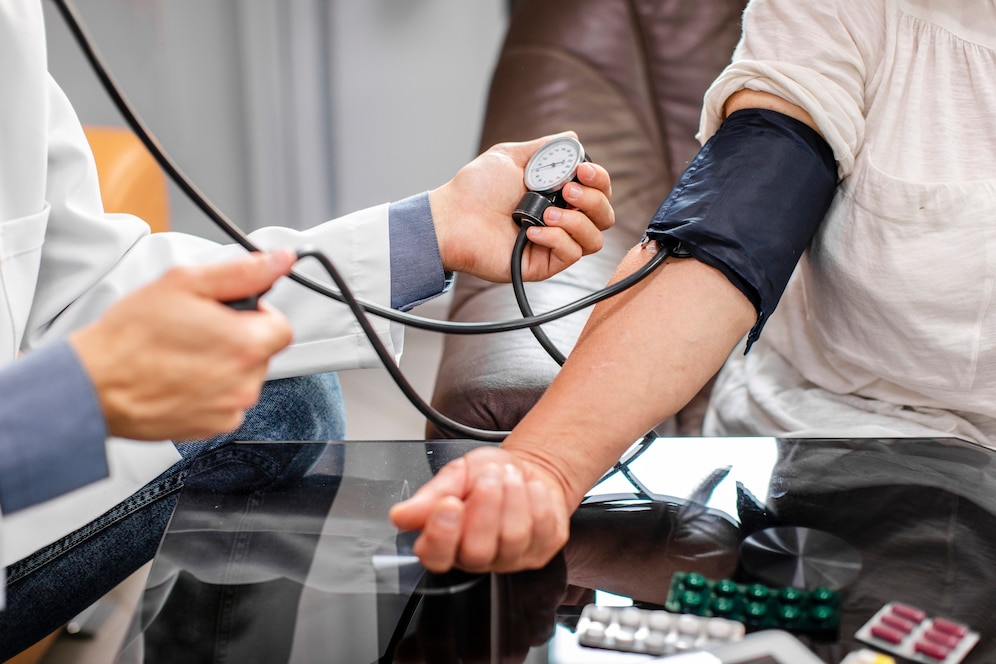
Blood pressure is measured using two numbers: systolic and diastolic. The systolic pressure represents the force when the heart contracts, while the diastolic pressure is the force when the heart is at rest. Normal blood pressure is around 120/80 mmHg. Readings consistently above this range indicate hypertension.

The Connection to Stroke


The Mechanism Behind Stroke


A stroke occurs when the blood supply to the brain is disrupted, either due to a blockage (ischemic stroke) or a ruptured blood vessel (hemorrhagic stroke). High blood pressure plays a pivotal role in the development of strokes.

Atherosclerosis and Blood Clots


Persistent high blood pressure damages and weakens arteries, leading to the accumulation of plaque. This condition, known as atherosclerosis, narrows the arteries, making them prone to blood clot formation. A clot that forms in an artery supplying the brain can block blood flow, causing an ischemic stroke.

Weakening of Blood Vessels


Elevated blood pressure puts stress on blood vessel walls, causing them to weaken over time. This weakening increases the risk of aneurysms, which are bulges that can burst and result in hemorrhagic strokes when they rupture.

Conclusion

High blood pressure is a serious health condition that significantly increases the risk of stroke. By understanding the mechanisms linking these two issues and adopting a healthy lifestyle, individuals can take proactive steps to prevent the onset of hypertension and reduce the likelihood of stroke.

Monday, August 28, 2023

Your One-Stop-Clinic for Neuro Rehab: General Neuro Rehab Clinic in Kolkata


Neurorehabilitation focuses on recovering the functional capabilities of individuals suffering from neurological disorders, injuries, or diseases. When the nervous system, which includes the brain, spinal cord, and nerves, is affected by conditions such as stroke, traumatic brain injury, spinal cord injury, multiple sclerosis, Parkinson's disease, and more, it can lead to a wide range of physical, cognitive, and emotional impairments.

When it comes to neurological rehabilitation, finding the right clinic that offers comprehensive and personalised care is paramount. Here’s Medical Rehabilitation Center in Kolkata, your ultimate destination for top notch neuro rehab services.

Medical Rehabilitation Center: Unveiling The Best Neuro-Rehabilitation Centre in Kolkata


Patients with neurological disorders lose their functions and independence. Realising the problems faced by a person inflicted with stroke, brain or spinal injuries, Dr. M.M. Ghatak recognised this need and shaped his vision through the Medical Rehabilitation Center in Kolkata. MRC is committed to providing exceptional care for individuals dealing with various neurological conditions.

Holistic Approach to Neuro Rehab


What sets the Medical Rehabilitation Center apart is its holistic approach to neurorehabilitation. Understanding that each patient's journey is unique, the specialists tailor their treatments to address their needs and goals. Whether it's stroke recovery, spinal cord injuries, traumatic brain injuries, or conditions like multiple sclerosis and Parkinson's disease, the centre's team of experienced professionals is well equipped to guide patients through every step of their rehabilitation process.

Cutting Edge Facilities and Equipment


State-of-the-art facilities and advanced equipment form the backbone of the Medical Rehabilitation Center. The clinic boasts many modern rehabilitation technologies to accelerate recovery and optimise outcomes. From specialised exercise equipment to assistive devices, the centre's resources are carefully curated to aid patients in regaining functional abilities.

Compassionate and Skilled Professionals


A key factor that contributes to the success of the Medical Rehabilitation Center is its team of compassionate and skilled professionals. With 21 years of experience, Dr. M. M. Ghatak brings together a multidisciplinary team of physiotherapists, occupational therapists, speech therapists, and neuropsychologists who collaborate to create tailored rehabilitation plans for the patients. These professionals not only possess the necessary expertise but also understand the emotional and psychological aspects of recovery, ensuring a comprehensive healing experience.

Personalised Rehabilitation Plans


The emphasis on personalised care is at the heart of the Medical Rehabilitation Center's approach. Every patient undergoes a thorough assessment to determine their specific needs and goals. Based on this assessment, a customised rehabilitation plan is devised, incorporating physical exercises, cognitive therapies, and emotional support. This personalised approach ensures that each patient's journey is meaningful and effective.

Empowering Patients, Enriching Lives


Neurological rehabilitation is not just about regaining physical abilities; it's about restoring the inner confidence to live independently. The Medical Rehabilitation Center in Kolkata goes beyond the clinical aspects and aims to empower patients to reclaim their lives. Through continuous support, education, and encouragement, the centre helps patients reintegrate into their communities and rediscover their passions.

MRC: A Beacon of Hope


For those seeking one of the best Neuro Rehabilitation Centres in Kolkata, the Medical Rehabilitation Center stands as a beacon of hope. With more than 150K Successful Treatments and 32+ expert trainers, MRC aims to provide the best medical treatment and rehabs possible at affordable prices.

In a city where the demand for specialised healthcare is on the rise, the Medical Rehabilitation Center shines as a testament to what is possible when expertise meets empathy. If you or your loved one needs neurological rehabilitation, look no further – the best rehab centre in Kolkata is here to guide you towards a brighter, more independent future

Understanding Hemiplegia: Causes, Symptoms, and Rehabilitation Strategies

Hemiplegia, a condition where one side of the body becomes paralyzed, can significantly impact daily life. Whether caused by a stroke, brain...